
Plumbing and sewer issues can disrupt homes, businesses, and public spaces in Seattle. When pipes fail, property owners often face the decision of choosing between trenchless pipe repair in Seattle and traditional excavation methods. A clear understanding of the differences, advantages, and limitations of each approach helps property owners choose the most efficient and cost-effective solution.
Understanding Traditional Pipe Repair
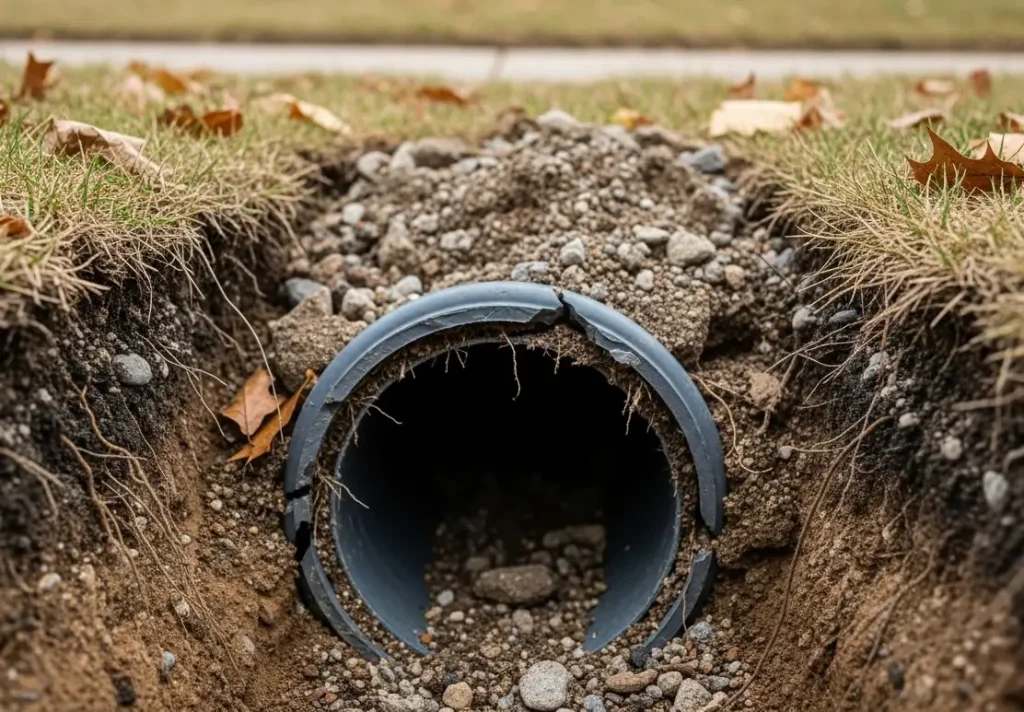
Traditional pipe repair involves digging trenches to access and replace damaged pipes. This method has been used for decades and remains effective in many scenarios.
Pros of Traditional Repair
- Complete Replacement: Entire damaged sections of the pipe are replaced, which can be ideal for severely deteriorated systems.
- Versatility: Works on most pipe materials, sizes, and conditions.
- Direct Inspection: Technicians can visually assess the pipes, making it easier to identify additional issues.
Cons of Traditional Repair
- High Disruption: Excavation requires digging up landscaping, driveways, or roadways, which can be costly to restore.
- Time-Consuming: Digging, removing damaged pipes, and backfilling take longer than trenchless methods.
- Higher Costs: Labor, restoration, and extended project timelines increase overall expenses.
Traditional repair is sometimes unavoidable, particularly if pipes are extensively collapsed, misaligned, or contain complex connections.
Understanding Trenchless Pipe Repair
Trenchless repair is a modern method that allows technicians to fix or replace pipes with minimal digging. The process typically involves lining the existing pipe with durable materials or pulling new pipes through the old ones.
Benefits of Trenchless Repair
- Minimal Excavation: Only small access points are needed, reducing damage to landscaping, driveways, and floors.
- Faster Completion: Trenchless repairs usually take less time than traditional methods.
- Cost-Effective in the Long Run: Reduced disruption and cleanup costs can make this method more economical for many properties.
- Durable Results: High-quality epoxy liners and advanced materials can reinforce existing pipes and extend their service life.
Limitations of Trenchless Repair
- Not Always Applicable: Pipes that are severely collapsed, misaligned, or contain major structural issues may still require traditional excavation.
- Equipment and Expertise Required: Only trained professionals with advanced tools can perform trenchless repairs effectively.
Comparing Traditional and Trenchless Pipe Repair
Traditional pipe repair involves digging up large sections of the property, which can cause significant disruption. These projects generally take longer and cost more. While the repaired pipes can last as long as properly installed systems, the process requires more labor and impacts the surrounding area.
Trenchless pipe repair in Seattle, on the other hand, minimizes digging and property disruption. It is typically faster and can be more cost-effective, with properly lined pipes offering a long lifespan. This method works for most pipes, though it may not be suitable for fully collapsed or severely misaligned lines.
The choice between traditional and trenchless repair depends on the pipe’s condition, its location, and the property owner’s priorities.
Signs You May Need Sewer or Pipe Repair
Whether you are considering trenchless pipe repair in Seattle or traditional excavation, early detection prevents costly damage. Look for these signs:
- Slow or backed-up drains
- Foul odors from pipes or drains
- Gurgling sounds in sinks, toilets, or floor drains
- Frequent clogs in multiple areas
- Water pressure changes or leaks in water lines
Professional inspections using video cameras and leak detection tools can determine the best repair method.
Industries That Benefit from Trenchless Technology
Trenchless repairs are not just for residential properties. Commercial buildings, apartment complexes, schools, and municipal systems benefit from this technology due to its speed, minimal disruption, and long-lasting results. Trenchless methods are particularly effective in areas where excavation would interfere with business operations, pedestrian access, or traffic.
Making the Right Choice
When deciding between traditional and trenchless pipe repair, consider:
- Extent of Damage: Collapsed or severely damaged pipes may require excavation.
- Location of Pipes: Pipes under driveways, landscaping, or buildings benefit from trenchless methods.
- Budget and Timeline: Trenchless repairs reduce restoration costs and shorten project timelines.
- Long-Term Goals: Trenchless solutions can strengthen existing pipes and prevent future problems, offering lasting value.
When to Contact a Professional
Timely intervention is key to preventing major damage. Persistent drainage issues, foul odors, or repeated backups signal the need for a professional evaluation. Searching for trenchless pipe repair in Seattle ensures experts use the right approach for your property. Early inspections help avoid unnecessary excavation, property disruption, and escalating repair costs.
Protect Your Pipes with Expert Repairs
Both traditional and trenchless pipe repair play important roles in Seattle’s plumbing systems. While traditional methods are necessary for extensive damage, trenchless pipe repair offers a faster, cleaner, and less disruptive solution for most properties. Knowing what each repair option offers allows property owners to keep their systems in top condition and prevent major future expenses.
If your pipes are showing signs of trouble, don’t wait for the issue to escalate. Contact Sewer Solutions and schedule an inspection for trenchless pipe repair in Seattle.